Choosing between dynamic vs static QR codes is the single decision that determines whether your printed campaign survives a typo, a URL change, or a brand refresh - or ends up in a recycling bin. Static QR codes bake the destination into the pattern itself and can never be changed. Dynamic QR codes encode a short redirect URL instead, so you can edit the destination, track every scan, and watch the data come in - all without reprinting a single flyer.
Most "static vs dynamic QR code" guides online give you a table and a verdict. This one gives you a real decision framework, a use-case matrix, and the math behind why one bad reprint costs more than years of dynamic QR codes combined. By the end, you will know exactly which type to use, when to use it, and how to avoid the three mistakes that cost businesses thousands every quarter.
If you are brand-new to QR codes, skim our getting started guide first, then come back. If you already know you want dynamic but you are stuck choosing a tool, jump to our QR code comparison tools decision guide for a side-by-side of every major generator.
Key Takeaways
- Static QR codes encode data directly into the pattern and can never be changed - dynamic QR codes use a redirect URL that is fully editable.
- Choosing static when you needed dynamic often means reprinting thousands of flyers, labels, or business cards from scratch.
- Dynamic QR codes track every scan with timestamp, location, device type, and operating system data - static codes have zero analytics.
- More data encoded = denser pattern = harder to scan at small sizes; dynamic codes stay simple because they only encode a short redirect URL.
- QR-Verse offers 1 free dynamic QR code with full analytics on the free plan and unlimited dynamic codes on Pro (EUR 4.99/mo) - no scan caps, ever.
Want to try this yourself? The generator is free and opens straight away.
Create a QR code60-Second Decision Framework
If you only have a minute, this is the rule of thumb professional marketers use:
Use a Dynamic QR Code if...
You answer yes to any of these:
- The destination URL might change in the next 5 years
- You will print more than 100 copies of this code
- You want to know how many people scanned, from where, on what device
- You are running a marketing campaign, event, or A/B test
- You are not 100% sure the link will still work in 12 months
Use a Static QR Code if...
You answer yes to all of these:
- The encoded data will never change (WiFi password, vCard, asset ID)
- You do not need scan analytics
- The code will be scanned offline or in low-connectivity environments
- The print run is small or single-use
- You want zero dependency on any third-party server
The 95/5 rule: In our analysis of customer accounts across 7 European markets, roughly 95% of QR codes printed for business use should be dynamic. The remaining 5% are static - mainly WiFi codes, vCards, and offline asset tags. If you are reading this guide for a marketing decision, dynamic is almost certainly the right answer.
How QR Codes Work Under the Hood
Before comparing static and dynamic, it helps to understand what actually happens inside a QR code. Every QR code is a matrix of dark and light modules (the small squares) arranged in a specific pattern. A scanner reads these modules and decodes them into data - a URL, a block of text, contact information, or any other supported format.
The amount of data you encode directly determines how many modules the QR code needs. More data means more modules, which means a denser, more complex pattern that requires a larger print size and closer scanning distance.
This is where the static vs. dynamic distinction becomes critical.
What Is a Static QR Code?
A static QR code encodes data directly into its pattern. The information - whether it is a URL, text, phone number, or WiFi credentials - is permanently baked into the black-and-white modules themselves. Once generated, it cannot be changed.
Think of it like a tattoo. Whatever you encode is there forever.
How static encoding works technically: When you create a static QR code for the URL https://www.example.com/my-very-long-landing-page?utm_source=flyer&utm_campaign=spring2026, every single character of that URL is encoded into the QR pattern. That is 95 characters, which requires a Version 6 QR code (41x41 modules) at medium error correction. A shorter URL like https://example.com (20 characters) only needs a Version 2 code (25x25 modules) - nearly half the density.
Key characteristics of static QR codes:
- The destination URL or data is embedded directly in the code
- No intermediary server or redirect is involved
- Cannot be edited after creation
- No scan tracking or analytics
- Works offline (the data is in the code itself)
- More data = more complex pattern (more modules)
- No dependency on any third-party service staying online
- Unlimited scans with zero server load
The Size Problem with Static Codes
This is the single most important technical limitation of static QR codes that most guides gloss over. Because every character of your data is encoded into the pattern, the physical size requirements grow with data length.
Here is a practical breakdown:
| Data Length | QR Version | Module Grid | Minimum Print Size |
|---|---|---|---|
| 20 characters | Version 2 | 25 x 25 | 2 cm (0.8 in) |
| 50 characters | Version 4 | 33 x 33 | 2.5 cm (1 in) |
| 100 characters | Version 7 | 45 x 45 | 3 cm (1.2 in) |
| 200 characters | Version 12 | 65 x 65 | 4 cm (1.6 in) |
| 500 characters | Version 20 | 97 x 97 | 5+ cm (2+ in) |
For a business card or small sticker, a Version 12 code may already be too dense to scan reliably. This is a real constraint when your URL includes UTM parameters, query strings, or long paths.
What Is a Dynamic QR Code?
A dynamic QR code works differently. Instead of encoding your final destination directly, it encodes a short redirect URL - something like https://qr-verse.com/r/abc123. When someone scans the code, they hit the redirect server first, which then forwards them to your actual destination.
This intermediary step is what makes dynamic QR codes powerful.
How dynamic encoding works technically: Regardless of whether your final destination is a 200-character URL with tracking parameters or a simple homepage, the QR code itself only contains the short redirect URL (roughly 30 characters). This means the QR pattern is always compact - typically a Version 2 or Version 3 code (25x25 to 29x29 modules). The redirect server handles the mapping between the short URL and your real destination, and that mapping can be changed at any time.
Key characteristics of dynamic QR codes:
- The code contains a short redirect URL, not your final destination
- You can change the destination at any time without reprinting
- Every scan is tracked with analytics (location, device, time, count)
- The QR pattern stays simple regardless of how long your destination URL is
- Requires an internet connection to resolve the redirect
- Can be paused or deactivated if needed
- Pattern is always easy to scan, even at small print sizes
- Depends on the redirect service remaining operational
On QR-Verse, you can create a free dynamic QR code in under 60 seconds - with full analytics, custom designs, and no watermarks.
Comprehensive Side-by-Side Comparison
Here is a detailed static vs dynamic QR code comparison table covering every feature that matters.
| Feature | Static QR Code | Dynamic QR Code |
|---|---|---|
| Editable after creation | No - data is permanent | Yes - change destination anytime |
| Scan tracking & analytics | None | Full: count, location, device, time |
| Pattern complexity | Increases with data length | Always compact (~30 chars) |
| Internet required to scan | No (data is in the code) | Yes (for redirect resolution) |
| Cost | Always free | Free on QR-Verse (see pricing) |
| URL length impact | Longer URL = denser pattern | No impact on pattern |
| Minimum print size | Depends on data length | Always small (2 cm / 0.8 in) |
| Can be deactivated | No - works forever | Yes - pause or disable anytime |
| A/B testing | Not possible | Change destination to test variants |
| Scan location data | Not available | City, country, device type |
| Unique vs. repeat visitors | Not available | Tracked automatically |
| Offline functionality | Full (for non-URL data) | Requires internet |
| Server dependency | None | Requires redirect service uptime |
| Best for | Permanent, simple data | Marketing, campaigns, menus |
| Bulk printing risk | High if URL changes | Zero - update redirect instead |
Create Your QR Code Now
Generate free static or dynamic QR codes with full customization, analytics, and no account required.
Create Free QR Code →When to Use Static QR Codes
Static QR codes are the right choice when simplicity, permanence, and independence from external services are what you need.
Personal Use
If you are encoding your WiFi password for guests, creating a QR code for your personal website that will never change, or sharing contact information at a one-time event, static codes are perfectly adequate. There is no need for tracking or editing, and you get the bonus of offline functionality.
Business Cards
A vCard QR code on your business card is typically static - your name, phone, and email are encoded directly. If your contact details rarely change, this works fine. For a deeper guide on digital business cards with QR codes, see our vCard QR code guide or the vCard solution page.
Fixed Information and Asset Tags
Product serial numbers, equipment IDs, internal asset tags, warehouse bin locations, or any data that will remain constant over the life of the item are natural fits for static codes. Manufacturing environments often use static QR codes on components that need to survive decades without any internet dependency.
WiFi Network Sharing
Encoding your WiFi network name and password into a static QR code is one of the most popular use cases. Guests scan the code, and their phone connects automatically - no internet needed to decode the QR itself. Check out our complete WiFi QR code guide or the WiFi QR code solution page for setup instructions.
Environments Without Internet
If your QR code will be scanned in locations without reliable internet - underground facilities, remote construction sites, airplane cabins, or warehouse interiors - static codes are the only option. The scanner can decode the data from the pattern alone (though opening a URL still requires connectivity).
Identify your data
Determine whether the information you are encoding will ever need to change. If the answer is definitively "no," static is likely sufficient.
Consider the lifespan
If the QR code will be printed on something permanent (engraved metal, product packaging with a multi-year shelf life, signage that is expensive to replace), and the data is truly fixed, static is appropriate.
Evaluate the data length
If you are encoding a long URL with tracking parameters, static codes become physically larger. Measure whether the code will fit in the space available at a scannable size.
Decide on tracking needs
If you do not need to know how many people scanned, where they were, or what device they used, static keeps things simple with zero dependencies.
When to Use Dynamic QR Codes
Dynamic QR codes shine when flexibility, measurement, and control matter. In practice, this covers the majority of professional and commercial use cases.
Marketing Campaigns
Running a promotion? A dynamic QR code on your poster can point to your spring sale page now and your summer campaign next month - same poster, same code, new destination. You will see exactly how many people scanned it, from which cities, and on what devices. For practical campaign ideas, read our QR codes for marketing guide, and see the free QR code generator guide for a walkthrough of getting started.
Restaurant Menus
Menu prices and items change. A dynamic QR code on your table tent or printed menu can always point to your latest menu, even if you update it weekly. No reprinting required. Our restaurant QR code menu guide covers this use case in detail, and the menu QR code solution page walks you through setup in under a minute.
Events and Conferences
Event schedules change. Speakers cancel. Rooms get reassigned. A dynamic QR code in your conference materials can point to a live schedule that you update in real time. After the event, redirect the same code to a feedback survey or photo gallery. See our event QR code guide for more ideas.
Product Packaging
Link to setup guides, warranty registration, or support pages. If you change your support URL later, every package already shipped still works because you update the redirect, not the code. This is especially valuable for products with long shelf lives.
Real Estate
Property flyers with a QR code can initially link to the listing page. Once the property sells, redirect the same code to similar available listings. Zero waste. See our dedicated real estate QR code guide for more strategies.
Retail and E-commerce
Point-of-sale displays, product hang tags, and shelf labels can all use dynamic codes. Redirect seasonal products to updated landing pages, track which in-store displays drive the most online traffic, and rotate promotions without replacing any physical materials.
Multi-Link Landing Pages
Need one QR code to link to multiple destinations? A dynamic QR code can point to a multi-link landing page that displays all your URLs in one place - your website, social media profiles, menu, contact form, and more. This is especially useful for business cards where space is limited but you have multiple things to share.
If you print thousands of flyers with a static QR code and the destination URL changes, every single flyer becomes useless. A dynamic code prevents this entirely. For a 10,000-piece print run at EUR 0.15 per flyer, that is EUR 1,500 lost - not counting design time and distribution labor.
Cost Analysis: Static vs Dynamic
One of the biggest misconceptions about QR codes is that dynamic codes are expensive. Let us break down the real costs.
Static QR Code Costs
Generation: Free everywhere, including QR-Verse
Ongoing costs: Zero - no server, no subscription
Hidden cost risk: If the destination changes after printing, you pay for a full reprint. For a 5,000-unit flyer run, that is typically $500-$1,500 depending on print quality.
Total cost for a typical campaign: $0 if nothing changes. Potentially thousands if it does.
Dynamic QR Code Costs
Generation: Free on QR-Verse (many competitors charge $5-$50/month)
Ongoing costs: Zero on QR-Verse's free tier - see all plans
Hidden cost risk: Minimal. If the destination changes, you update the redirect in seconds at no cost.
Total cost for a typical campaign: $0 on QR-Verse, with the safety net of being able to fix mistakes without reprinting.
Many QR code platforms charge monthly subscriptions for dynamic QR codes - typically $7 to $50 per month. QR-Verse Pro starts at EUR 4.99/month for unlimited dynamic codes, AI art, and SVG exports - making cost a tie-breaker rather than a deciding factor. For a head-to-head with the major paid tools, see our deep-dives: QR-Verse vs QR Code Monkey, QR-Verse vs QR TIGER, QR-Verse vs Uniqode, QR-Verse vs Flowcode, and QR-Verse vs Canva.
Real Pricing Comparison (May 2026)
Marketers often assume dynamic QR codes are expensive because the loudest names in the space charge enterprise-level prices. The reality is more nuanced. Here is what each major provider charges for unlimited dynamic QR codes today:
| Provider | Starting Price (Dynamic) | Free Dynamic Code? | Scan Cap on Free |
|---|---|---|---|
| QR-Verse | EUR 4.99/mo (Pro) | Yes (1 code, no scan cap) | None |
| QR Code Monkey | Paid plans only | No | N/A |
| QR TIGER | $7/mo | No | N/A |
| Uniqode | $5/mo | No | N/A |
| Flowcode | $5/mo | Limited | Yes |
| Bitly | $8/mo (QR add-on) | Time-limited trial only | Varies |
| Beaconstac | $5/mo | No | N/A |
For a fully featured side-by-side comparison including analytics depth, AI art support, multi-link landing pages, and bulk generation - read our QR code comparison tools decision guide.
Use Case Decision Matrix
Not sure which type to pick? Find your scenario below.
| Scenario | Recommended Type | Why |
|---|---|---|
| WiFi password for office guests | Static | Data rarely changes, offline decode is a plus |
| Marketing flyer for a sale event | Dynamic | Campaign URL may change, tracking is valuable |
| Business card (personal) | Static | Contact info is stable, no tracking needed |
| Business card (sales team) | Dynamic | Track engagement, update landing page per quarter |
| Restaurant table menu | Dynamic | Menu changes frequently, track popular items |
| Product serial number label | Static | Fixed data, no internet in factory environment |
| Conference badge or lanyard | Dynamic | Link to schedule, redirect post-event to recording |
| Permanent outdoor signage | Dynamic | Expensive to replace, destination may evolve over years |
| Internal asset tracking | Static | Fixed equipment ID, scanned in offline warehouses |
| Magazine or newspaper ad | Dynamic | Print has long life, campaign URL will eventually expire |
| Packaging for a physical product | Dynamic | Support URLs change, track which products drive scans |
| Personal portfolio website | Static | URL is stable, no need for scan metrics |
| Google Reviews collection | Dynamic | Track response rates, update review link if business moves |
| Social media landing page | Dynamic | Platforms and handles change, multi-link pages evolve |
Real-World Examples
Abstract comparisons are helpful, but seeing how this plays out in real scenarios makes the choice concrete.
Example 1: Coffee Shop WiFi vs. Menu
A coffee shop puts two QR codes on each table. The first is a static WiFi QR code - the network name and password are encoded directly, guests connect instantly without needing the internet to decode it, and the password changes maybe once a year. Static is perfect here. You can create one in seconds using the WiFi QR code generator.
The second is a dynamic QR code for the menu. Daily specials change, seasonal drinks come and go, and prices occasionally adjust. The owner updates the menu URL in the QR-Verse dashboard and every table tent automatically points to the new menu. No reprinting, no waste, and scan analytics show that the lunch crowd scans 3x more than dinner - a signal to promote lunch specials harder.
Example 2: Real Estate Agent
A real estate agent puts a QR code on every yard sign. With a static code, the URL is permanently baked in. When the house sells, the QR code on the sign leads to a "sold" listing page - a dead end for anyone scanning out of curiosity.
With a dynamic code, the agent redirects the same QR code to the next available listing in that neighborhood. The printed sign stays up, the code still works, and every scan is a potential new lead. Over 6 months, the agent tracks which neighborhoods generate the most curiosity scans and allocates marketing budget accordingly.
Example 3: Conference Speaker
A speaker at a tech conference includes a QR code on every presentation slide. Before the talk, the dynamic code links to a pre-event survey. During the talk, it links to a live Q&A page. After the conference, the same code redirects to the slide deck and a recording. Three different destinations, one QR code, zero reprinting. If the speaker had used a static code, they would have needed three separate codes or picked a single destination.
Example 4: Product Packaging
A skincare brand prints QR codes on 50,000 product boxes. A static code encodes a URL to the product page. Six months later, the brand redesigns their website and every URL structure changes. All 50,000 boxes now link to 404 error pages.
A dynamic code would have solved this in 10 seconds - update the redirect in the dashboard, and every box in circulation points to the new product page. The brand also sees that customers in Germany scan 4x more than in the US, which informs their next paid media campaign.
Understanding QR Code Analytics
One of the biggest advantages of dynamic QR codes is the analytics dashboard. With every scan, you collect:
- Scan count - total number of scans over time, charted by day, week, or month
- Location data - city and country of each scan, mapped visually
- Device information - iOS, Android, desktop, and specific browser
- Time patterns - when people scan most (day of week, hour of day)
- Unique vs. repeat scans - how many individual users vs. returning visitors
- Referral context - whether the scan came from a camera app, a QR reader, or an in-app scanner
This data transforms a simple QR code from a link shortcut into a measurable marketing channel. You can calculate ROI on printed materials, understand customer behavior, compare the performance of different physical placements, and optimize future campaigns based on real data. For a deep dive into what the dashboard offers, read our QR code analytics and tracking guide.
Measure ROI
Know exactly how many people interacted with your printed materials. Compare scan rates across locations, events, or time periods to identify what works.
Understand Your Audience
See which cities and countries your scans come from. Identify whether your audience is primarily on iOS or Android. Adjust your landing page accordingly.
Optimize Placement
Track which physical locations generate the most scans. Move underperforming codes or increase visibility. Test different placements without changing any print materials.
Migrating from Static to Dynamic
If you have already deployed static QR codes and realize you need the flexibility of dynamic, here is the honest truth: you cannot convert a static code to dynamic. The data encoding is fundamentally different. But you can migrate strategically.
Audit your existing static codes
List every static QR code you have in the field. Note where each one is printed, how many copies exist, and how difficult replacement would be.
Prioritize by risk
Rank codes by how likely the destination is to change and how costly a reprint would be. High-volume printed materials with changeable URLs are your highest priority.
Create dynamic replacements
For each code you want to migrate, create a new dynamic QR code on QR-Verse pointing to the same destination. Match the design (colors, logo) to minimize visual disruption.
Phase in replacements
Replace static codes with dynamic ones as you do natural reprints. When business cards run out, reprint with the dynamic version. When signage is updated for other reasons, swap in the dynamic code at the same time.
Set a policy going forward
Establish a rule: all new QR codes for printed materials should be dynamic by default. Only use static for specific cases (WiFi, offline environments, fixed asset tags).
QR Code Expiration: Myths vs Reality
There is widespread confusion about whether QR codes expire. Let us set the record straight.
Static QR Codes
Do they expire? No. Never. The data is encoded in the pattern itself. A static QR code printed today will scan correctly in 50 years, as long as the physical print is legible. The QR standard is not going away.
Can they "break"? Yes, but only if the encoded data becomes invalid - for example, if the URL you encoded no longer exists (domain expires, page is deleted). The QR code still scans perfectly; the destination just returns a 404 error.
Dynamic QR Codes
Do they expire? It depends on the provider. Many paid QR code services deactivate your codes if you stop paying your subscription. This is the biggest risk of dynamic codes from the wrong provider.
QR-Verse policy: Dynamic codes created on QR-Verse do not expire. They remain active and scannable indefinitely, even on the free tier. We believe holding your QR codes hostage behind a paywall is a bad practice.
Beware of "dynamic QR code" services that lock you in. Some platforms let you create dynamic codes for free but require a paid plan to keep them active after a trial period. If you stop paying, your printed QR codes stop working. Always check the expiration policy before committing to a platform. On QR-Verse, dynamic codes are free and never expire.
Printing Considerations
Whether you choose static or dynamic, how you print a QR code matters as much as which type you pick. For a comprehensive print guide, see our QR code size and print guide.
Minimum Size Requirements
- Dynamic QR codes (compact pattern): Minimum 2 cm x 2 cm (0.8 x 0.8 inches) works reliably
- Static QR codes with short data (under 50 characters): 2 cm x 2 cm is usually fine
- Static QR codes with long URLs (100+ characters): May need 3-4 cm (1.2-1.6 inches) or larger
- General rule: The scanning distance should be roughly 10x the QR code width. A 2 cm code scans reliably from about 20 cm (8 inches) away.
Color and Contrast
Both types require high contrast between the dark modules and the light background. Dark pattern on light background is standard and most reliable. Inverted codes (light on dark) can work but reduce scan reliability, especially on older phones. Always maintain at least a 40% brightness difference. For custom branding guidance, see our branded QR code design guide.
File Format
For print materials, always export your QR code as SVG (vector format). SVG files scale to any size without losing sharpness. PNG files work for digital use and small prints, but become pixelated at large sizes. QR-Verse offers both formats for every code you create.
The Quiet Zone
Every QR code needs a "quiet zone" - a margin of blank space around the code. This border should be at least 4 modules wide. Without it, scanners may fail to detect where the QR code starts and ends. Both static and dynamic codes need this margin equally.
Enterprise and Large-Scale Use Cases
For organizations deploying QR codes across hundreds or thousands of touchpoints, the static vs. dynamic choice has significant operational implications.
Fleet and Inventory Management
Large organizations often use static QR codes for internal asset tags because the asset ID never changes and scanning must work in warehouse environments with poor connectivity. The data encoded is typically a short identifier that maps to an internal database, keeping the pattern compact.
Multi-Location Retail
A retail chain with 500 locations printing in-store signage should always use dynamic codes. If the corporate marketing team needs to update a promotion URL, they change one redirect rather than coordinating reprints across every store. The analytics also reveal which locations drive the most engagement.
Regulated Industries
In healthcare and pharmaceuticals, QR codes on product packaging may be required to encode specific data directly (for compliance with serialization regulations like the EU Falsified Medicines Directive). In these cases, static codes are mandated by regulation, not chosen by preference.
Campaign Management at Scale
Marketing teams running dozens of simultaneous campaigns across multiple channels (print, outdoor, point-of-sale, events) use dynamic codes as a unified tracking system. Each placement gets its own dynamic code, and the analytics dashboard becomes a single source of truth for physical media performance. For agency workflows, see our QR code campaign management guide.
Security Differences
Security is an often-overlooked factor in the static vs. dynamic decision. For a deeper dive into QR code safety, read our comprehensive QR security guide.
Static Code Security
Tampering risk: Low. To change where a static QR code sends someone, an attacker would need to physically replace the printed code with a different one (a sticker overlay attack).
Phishing risk: Low at creation, but the encoded URL is visible in the pattern. If someone shares the QR code image, a technically skilled person could decode the destination without scanning.
Trust model: The user trusts the physical medium (poster, card, sign) - there is no intermediary.
Dynamic Code Security
Tampering risk: Different vector. An attacker who gains access to your QR code management account could redirect your codes to malicious destinations without touching the physical code.
Phishing risk: The short redirect URL does not reveal the final destination, which can be both a feature (clean URLs) and a risk (users cannot see where they will land before scanning).
Trust model: The user trusts both the physical medium and the redirect service. Using a reputable provider with HTTPS redirects is essential.
Best practice for security: Always use HTTPS URLs (both for the redirect and the final destination). Enable password protection on your QR-Verse account to prevent unauthorized redirect changes. For high-security applications, consider using static codes to eliminate the redirect as an attack surface.
How to Create Both Types with QR-Verse
Creating either type of QR code on QR-Verse takes less than a minute. Static QR codes are free with no limits. The free plan includes 1 dynamic QR code with 60 days of analytics. Pro (EUR 4.99/month) unlocks unlimited dynamic codes and full analytics.
Go to the QR code creator
Visit the QR-Verse creator page and choose your QR code type. Popular options include URL QR codes for websites, WiFi QR codes for network sharing, and vCard QR codes for digital business cards.
Enter your data
Type or paste your URL, contact information, WiFi credentials, or whatever data you want to encode.
Choose static or dynamic
Select whether you want a static code (permanent, no tracking) or a dynamic code (editable, with analytics). If you are unsure, dynamic is the safer default for anything that will be printed.
Customize the design
Pick colors, add your logo, choose a pattern style. Both static and dynamic codes can be fully customized visually. Want something more creative? Try the AI QR code art generator to turn your code into a piece of artwork.
Download and deploy
Download your QR code in PNG or SVG format. Print it, share it digitally, or embed it on your website. For print, always use SVG.
Create Your QR Code Now
Both static and dynamic QR codes are free on QR-Verse. Full analytics, custom designs, no watermarks.
Create Free QR Code →Common Mistakes to Avoid
Mistake 1: Static on printed marketing
Using static codes on printed marketing materials is the most expensive mistake. If your campaign URL changes or breaks, there is no way to fix it. Always use dynamic for anything that is printed in bulk.
Mistake 2: Assuming dynamic is expensive
Many people skip dynamic codes because they assume there is a cost. On QR-Verse, dynamic QR codes with analytics are free. Cost should not drive this decision.
Mistake 3: Making the code too small
Whether static or dynamic, the QR code needs to be scannable. Static codes with long URLs need to be printed even larger than dynamic codes due to their denser patterns. Always test at the actual print size.
Mistake 4: Skipping the scan test
Always scan your QR code with multiple devices before sending it to the printer. Test on both iPhone and Android, in varying lighting, and at the actual expected scanning distance. One failed scan test saves thousands in reprints.
Mistake 5: Ignoring the quiet zone
Placing a QR code too close to edges, other graphics, or text can prevent scanning. Leave a clear margin of white space around the code - at least equal to the width of 4 modules.
Mistake 6: Using a provider that holds codes hostage
Some dynamic QR code services deactivate your codes if you cancel your subscription. Before printing thousands of codes, confirm that your provider will keep them active regardless of your plan status. QR-Verse codes never expire.
How to Choose a Dynamic QR Code Provider
Once you have decided dynamic is the right call, the next question is which provider to use. Not all dynamic QR code generators are equal - some lock your codes behind subscriptions, cap free scans, or require an account just to download a PNG. Here is the checklist we recommend running before committing your printed materials to any provider.
Confirm the expiration policy
Some platforms deactivate dynamic QR codes after a free trial or if you cancel. Before printing anything, get the policy in writing on the provider's pricing page. QR-Verse codes never expire on any tier, including free.
Check the scan cap
Several big-name providers cap free-tier scans at 100-500 per month, then disable redirects until you upgrade. QR-Verse has no scan cap on any plan, ever.
Verify the analytics depth
Look for: scan count, location (at least country, ideally city), device type, OS, time pattern, and unique vs. repeat scan counts. If a provider hides analytics behind a paid tier, expect to pay extra to actually use the data you generate.
Test the redirect speed
A slow redirect server kills conversions. Scan a sample dynamic QR code from each provider you are considering and time the round-trip. Anything over 1 second on a typical mobile connection is a red flag.
Read the SLA and uptime page
For mission-critical print campaigns (packaging, signage, events), the redirect service must be online 99.9%+ of the time. Check whether the provider publishes a status page and historical uptime.
Confirm GDPR / data residency
For European businesses, where the redirect server stores scan data matters. QR-Verse keeps EU scan data on EU infrastructure with full GDPR compliance built in. Many US-headquartered providers do not.
If you want to skip the comparison shopping, our QR code comparison tools decision guide ranks the top providers across every checklist item above. You can also read individual head-to-heads:
- QR-Verse vs QR Code Monkey - the popular free tool versus QR-Verse
- QR-Verse vs QR TIGER - the price comparison most marketers ask about
- QR-Verse vs Uniqode - enterprise feature comparison
- QR-Verse vs Flowcode - design-focused comparison
- QR-Verse vs Canva QR Code - for teams already in Canva
The Bottom Line
The choice between dynamic vs static QR codes comes down to three questions:
- Will the destination ever change? If yes, use dynamic.
- Do you need scan analytics? If yes, use dynamic.
- Are you printing in volume (more than 100 copies)? If yes, use dynamic as insurance against reprints.
If the answer to all three is "no" - the data is permanent, you do not need tracking, and the code is for personal or small-scale use - go static. It is simple, reliable, and has zero dependencies.
For everything else, go dynamic. The flexibility, analytics, and reprint insurance are too valuable to skip, especially when QR-Verse offers 1 free dynamic code on every account and unlimited dynamic codes on Pro for less than a single coffee per month.
Where to go next
- Still deciding which generator to use? Read our QR code comparison tools decision guide - it covers QR-Verse, QR TIGER, Uniqode, Flowcode, Bitly, and QR Code Monkey side-by-side.
- Need a deeper technical foundation? See our comprehensive URL QR guide and the URL QR code solution page.
- Want a quick reference? Bookmark our help page on static vs. dynamic codes.
- Ready to build? Open the free QR code creator - no account required for static codes, and the free plan unlocks 1 dynamic code with full analytics.
Ready to create your QR code?
Free static and dynamic QR codes with analytics, custom designs, and no account required. Start in seconds.
Get Started Free →What is the difference between a static and dynamic QR code?
A static QR code permanently encodes data directly into its pattern and cannot be changed after creation. There is no intermediary server - the scanner reads the data straight from the code. A dynamic QR code encodes a short redirect URL instead. When scanned, the redirect server forwards the user to your actual destination. This means you can change the destination, track every scan with analytics, and view detailed data about who scanned, where, and when - all without reprinting the code.
Are dynamic QR codes free?
It depends on the provider. Many QR code platforms charge $5 to $50 per month for dynamic codes. QR-Verse is a free dynamic QR code generator that includes full analytics, scan tracking, destination editing, and custom designs. No subscription, no account required for basic codes, and no expiration. Always check the provider's pricing and expiration policy before committing to a platform for printed materials.
Can you edit a static QR code after printing?
No. A static QR code permanently bakes the data into its physical pattern. Once printed, the destination cannot be changed. If the URL breaks or needs updating, you must create and print a new QR code entirely. This is the main reason dynamic QR codes are recommended for any printed material - they let you update the destination anytime without reprinting.
Can I convert a static QR code to a dynamic one?
No. Because the data is encoded directly into a static QR code's physical pattern, it cannot be converted to dynamic after creation. The two types use fundamentally different encoding approaches. To migrate, you need to create a new dynamic QR code and replace the static one wherever it appears. To avoid this situation, default to dynamic codes for any printed materials where the destination might change.
Do dynamic QR codes expire?
This varies significantly by provider and is one of the most important factors when choosing a QR code platform. Some services deactivate dynamic codes after a free trial or if you cancel your subscription, which means your printed codes stop working. QR-Verse dynamic codes do not expire - they remain active and scannable indefinitely, even on the free tier. Always confirm expiration policies before printing codes at scale.
Which is better: static or dynamic QR code?
For most use cases in 2026, dynamic QR codes are the better choice because they offer editability, scan analytics, and protection against expensive reprints. Industry data shows that over 95% of QR codes created today are dynamic. Use static only for permanent data that will never change - WiFi passwords, asset tags, or offline environments. On QR-Verse, both types are free, so the decision comes down to your specific use case rather than cost.
Which type of QR code should I use for business cards?
For personal business cards where your contact details rarely change, a static vCard QR code is often sufficient. However, if you are part of a sales team and want to track how many prospects scan your card, or if you might change roles, phone numbers, or companies, a dynamic code is the better choice. Dynamic also lets you update the linked landing page seasonally - for example, pointing to a specific campaign or portfolio page.
Do I need an internet connection to scan a QR code?
For static QR codes, the data can be decoded offline - your phone reads the information directly from the pattern. However, if the encoded data is a URL, you still need internet to open the webpage. WiFi credentials and plain text QR codes work fully offline. For dynamic QR codes, an internet connection is always required because the code contains a redirect URL that must be resolved by the redirect server before forwarding to the final destination.
Is a dynamic QR code less secure than a static one?
Each type has different security characteristics. Static codes have no intermediary, so the only attack vector is physically replacing the printed code (a sticker overlay). Dynamic codes introduce a redirect server, which means someone with access to your management account could change the destination maliciously. However, dynamic codes from a reputable provider using HTTPS are safe for the vast majority of use cases. For high-security environments, static codes eliminate the redirect as a potential attack surface. Read our QR security guide for detailed best practices.
What is a free dynamic QR code generator?
A free dynamic QR code generator is a tool that creates editable, trackable QR codes at no cost. QR-Verse offers 1 free dynamic QR code with full scan analytics (location, device, time), custom designs with your brand colors and logo, and no watermarks - all without a subscription or credit card. Pro (EUR 4.99/mo) unlocks unlimited dynamic codes, AI art, and advanced analytics. Create your first dynamic QR code here.
Should I use static or dynamic QR codes for marketing?
Always dynamic. Marketing materials are printed in volume and have unpredictable lifespans, which makes static QR codes a liability. With a dynamic code you can change the destination if a campaign URL breaks, A/B test landing pages, retarget seasonal promotions to evergreen content after a campaign ends, and prove ROI with scan analytics. Static codes give you none of that. The only marketing scenarios where static is acceptable are one-off events with a fixed URL or quick takeaway material like business cards.
How do I decide between static and dynamic QR codes?
Run this 3-question test: (1) Will the destination ever change? (2) Do you need to track scans? (3) Will you print more than 100 copies? If you answer "yes" to even one of these, choose dynamic. If all three are "no" - typically WiFi codes, vCards, or asset tags - static is fine. For a longer breakdown with use-case examples, see the 60-second decision framework above. For help picking a provider, read our QR code comparison tools decision guide.
What is the best dynamic QR code generator?
The best dynamic QR code generator depends on your needs. For European businesses balancing cost, analytics, and GDPR compliance, QR-Verse is the strongest match - it includes 1 free dynamic code, no scan caps, EU data residency, and 7-language support starting at EUR 4.99/month for unlimited codes. For enterprise-level features like SAML SSO and custom domains, Uniqode and Beaconstac are competitive but priced 5-10x higher. For a side-by-side comparison of every major dynamic QR code generator, see our comparison tools decision guide.
Ready to create your QR code?
Free plan available. No signup required. Create professional QR codes in seconds.
Ready to try it yourself?
Create professional QR codes with tracking, custom colors, and AI-generated art.
Try our free tools:
Create your QR code in seconds
No signup, no credit card. 27 QR types with full customization. Upgrade to Pro (EUR 4.99/mo) for unlimited power.
Share this article
Related Articles
![QR Code Comparison Tools [2026]: Which Should You Choose? - QR-Verse blog](/_next/image?url=%2Fimages%2Fblog%2Fbest-free-generators-2026-hero.webp&w=3840&q=75)
QR Code Comparison Tools [2026]: Which Should You Choose?
QR code comparison guide for 2026. Decision matrix across QR-Verse, QR Code Monkey, QR TIGER, Uniqode, Flowcode, Bitly, and Canva - with pricing, analytics, and use-case recommendations.
Read More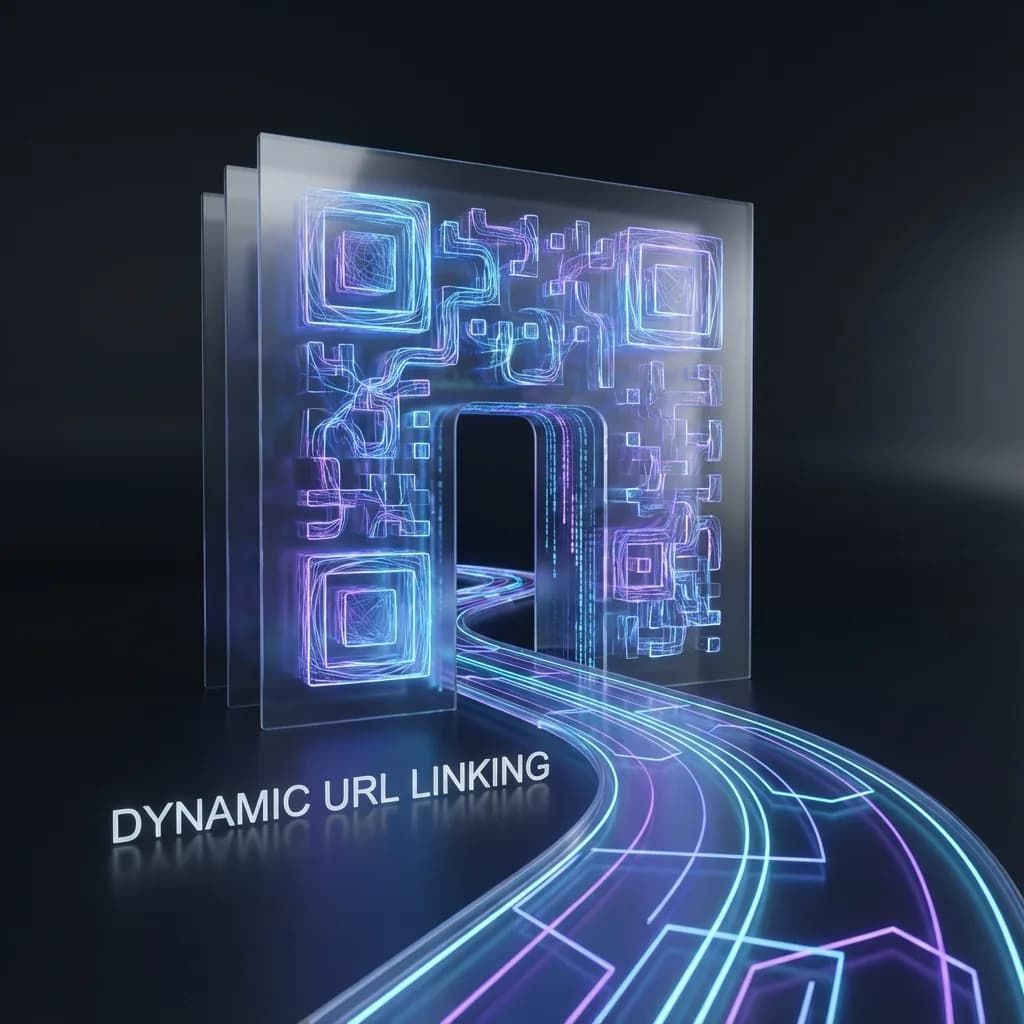
Do QR Codes Expire? Static vs Dynamic Explained
Do QR codes expire? Static codes last forever. Dynamic codes depend on the service. Learn when QR codes stop working and how to make yours last.
Read More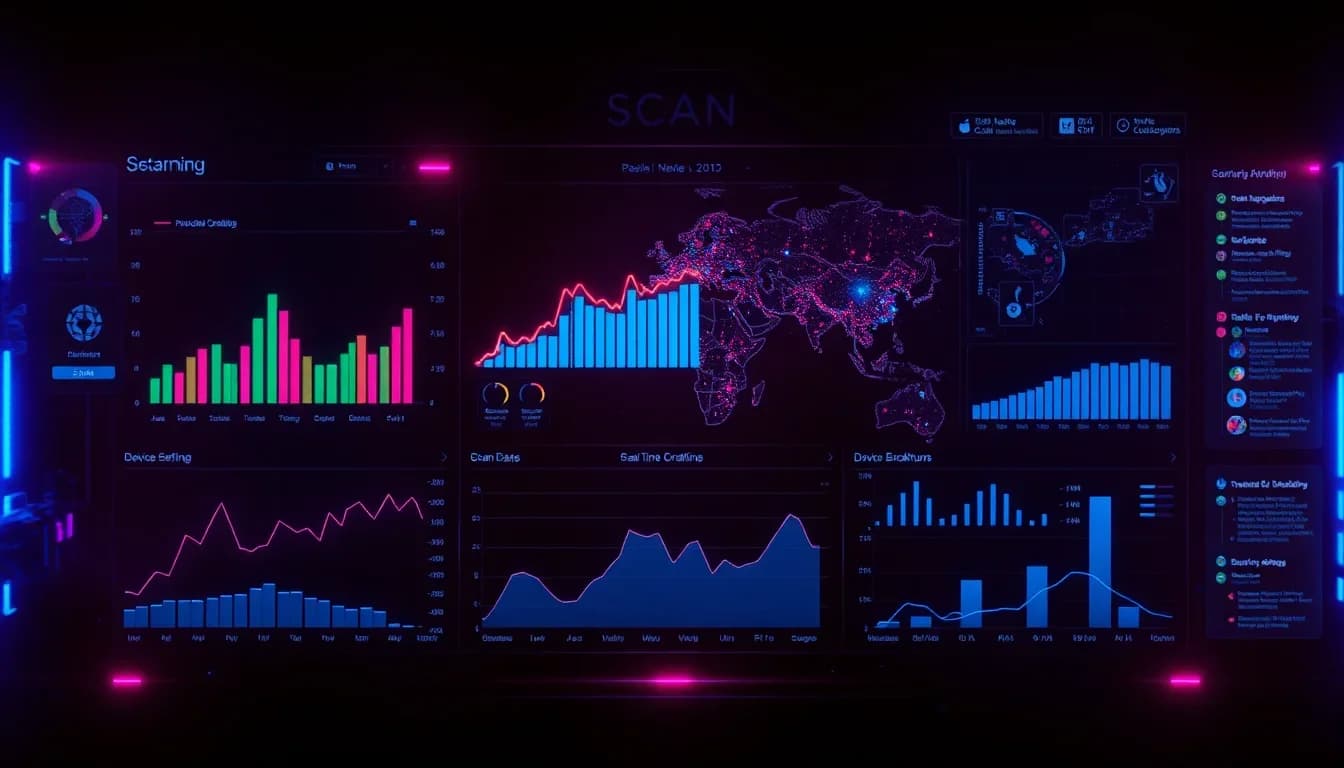
QR Code Analytics & Tracking: The Complete Guide 2026
Turn every QR code scan into actionable data. Learn how to track scans, measure ROI, and optimize campaigns with QR-Verse's free real-time dashboard.
Read More